ethiopian-news
April 23, 2025
Drone Strike Kills Over 100 Civilians in East Gojjam: Enarj Enawga Community Devastated by Tragedy




By
Tragedy
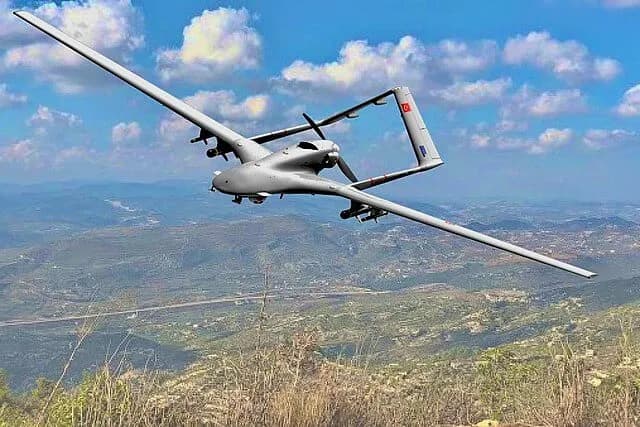
A devastating drone strike in the rural town of Enarj Enawga Woreda, located in the East Gojjam zone of Ethiopia’s Amhara region, has claimed the lives of over 100 individuals, according to local residents and eyewitnesses who spoke with the BBC. The incident, which occurred on Thursday, April 9, 2017 (Ethiopian calendar), has sparked national outrage, raised serious humanitarian concerns, and prompted an investigation by the Ethiopian Human Rights Commission (EHRC).Forex auction alerts
The strike targeted a group of civilians who had gathered at Enarj Primary School to participate in community development work, including building a school fence and constructing houses. Eyewitnesses described the attack as sudden and devastating, with chaos erupting immediately afterward.
“There was a scream, commotion, and panic,” said one witness, recounting the aftermath. “It was pitch black. People were rolling on the ground in pain. It is a very sad incident for anyone.”
Another survivor, who sustained an injury to his right hand, described a “heavy explosion” and said the area was filled with civilians engaged in construction and communal tasks. “There are people hammering nails, cutting wood, and mixing cement. The gathering was purely for development work,” he said.
Local residents reported seeing dozens of lifeless bodies strewn around the school compound and surrounding areas. One witness said more than 70 bodies were taken to a nearby church using motorbikes. Others estimated the final death toll could reach as high as 120, including women, children, and the elderly.
“There are between 115 and 120 bodies buried. Some were unidentifiable because of the damage. It was horrifying,” said a community member involved in the burial effort.
Due to the condition of the bodies and the fear of scavengers, victims were buried quickly in five mass graves near St. George Church. Local residents noted that this was done in the early hours of the morning, with many still in shock.
In the days following the attack, fear and grief swept the town. A tent was set up for mourning, and a “Fraj” ceremony—a traditional communal memorial—was held. However, the mood remained tense, with residents describing a “state of terror” during what should have been a joyful Easter holiday.
“There was no celebration. No children came from outside the town. It was a gloomy, painful time,” said one resident.
While locals insist the victims were civilians, the local administration offered a different narrative. Enarj Enawga Woreda Administrator, Ato Mulu Gete, told the BBC the attack was a targeted operation against Fano militants who had gathered in the area.
“There are powerful extremist groups operating here. What looked like school construction was a front for organizing and training,” he said, dismissing reports of civilian casualties as “enemy propaganda.”
However, numerous residents rejected this claim. They argue that if Fano militants had been present, their bodies would have been easily identifiable among the dead. “We know who the Fano are and who the community members are. These were our friends, colleagues, and neighbors,” said a local businessman.
A resident speculated that the drone operators might have mistaken the large civilian gathering for a militant assembly. “Maybe they saw people working together in the footage and assumed it was a Fano group. That’s how we understand it,” he added.
Representatives of the Fano militia acknowledged their presence in the woreda but denied being in the area at the time of the attack. Ato Asres Mare Damte, Deputy Chairman of Fano in Gojjam, stated unequivocally that no armed forces were in the vicinity during the drone strike.
“All the killings were civilians. There were no militants, no training—just innocent people,” he emphasized. He further accused the government of using the strike to instill fear in the population.
The Ethiopian Human Rights Commission (EHRC) confirmed that it is investigating the drone strike and monitoring the situation closely. Human rights advocates have called for an impartial and transparent inquiry to determine whether international humanitarian laws were violated.Forex auction alerts
“The scale and nature of this incident demand immediate scrutiny. Civilian lives must never be collateral in military operations,” said a spokesperson from the EHRC.
The tragic event in Enarj Enawga has reignited debates around the use of drone strikes in conflict zones and the broader implications of the Amhara regional conflict that has simmered since 2023. Civil society organizations, religious leaders, and local human rights groups are calling for justice, accountability, and the prevention of further civilian harm.
As the investigation continues, residents of Enarj Enawga remain in mourning, grappling with profound loss and fear of future violence. The region, already scarred by years of political unrest, now faces another painful chapter marked by unanswered questions and an urgent need for reconciliation.
This report will be updated as new information becomes available from official sources and ongoing investigations.
Comments
No comments yet. Be the first to leave a comment!
Leave a Comment
Society
Old Jaffa, New Tel Aviv
November 22, 2025

Society
“Now, It’s My Land”: Legal Reform Transforms Women’s Ownership in Rural Ethiopia
November 15, 2025

Society
A Gift of Technology — and Hope — for Koye’s Students
November 08, 2025
Society
Data for a Changing Climate: From Soil to Strategy
November 01, 2025

Society
Harnessing Data, Driving Innovation: Securing East Africa’s Water Future
October 25, 2025

Society
Bridging the Health Gap: Ethiopia’s push for Equitable Health
October 18, 2025
Art
Blending traditions: A taste of Italy, Crafted with Ethiopian ingredients
December 06, 2025
Art
Between Tradition and Trend: Ethiopia’s Musical Identity in the Modern Era
November 29, 2025
Art
Ethiopia’s Living Heritage in the Holy Land
November 22, 2025
Art
The Door that Never Closed: Honoring Getnet Enyew
November 15, 2025
Art
Echoes of Memory
November 01, 2025
ethiopian-news
April 23, 2025
Drone Strike Kills Over 100 Civilians in East Gojjam: Enarj Enawga Community Devastated by Tragedy

ethiopian-news
February 15, 2025
Djibouti’s Mahmoud Ali Youssouf Elected as New African Union Commission Chairperson

ethiopian-news
January 21, 2025
From Birthrights to Aid Freezes: Ethiopia Caught in Trump’s Policy Crossfire

ethiopian-news
January 14, 2025
Ethiopia Approves Landmark Property Tax Law Amid Debate on Economic Impact
ethiopian-news
January 04, 2025
Addressing the Root Cause: Why Ethiopia Must Abandon Ethnic Federalism for National Unity

ethiopian-news
December 26, 2024
The Ethiopian Human Rights Council, a 33-Year-Old Human Rights Organization, Suspended

ethiopian-news
December 17, 2024
Ethiopian Cargo Expands Fleet with Two Boeing 767 Freighters to Meet Growing Demand

ethiopian-news
November 25, 2024
Meskerem Aberra Sentenced to One Year and Four Months in Prison for “Computer Crime”