politics
December 09, 2025
Conflict-Related Sexual and Reproductive Violence in Ethiopia: Cantering the Needs of Victims




By
Addis Insight
By Felagot Taddese, Assistant Professor of OBGYN
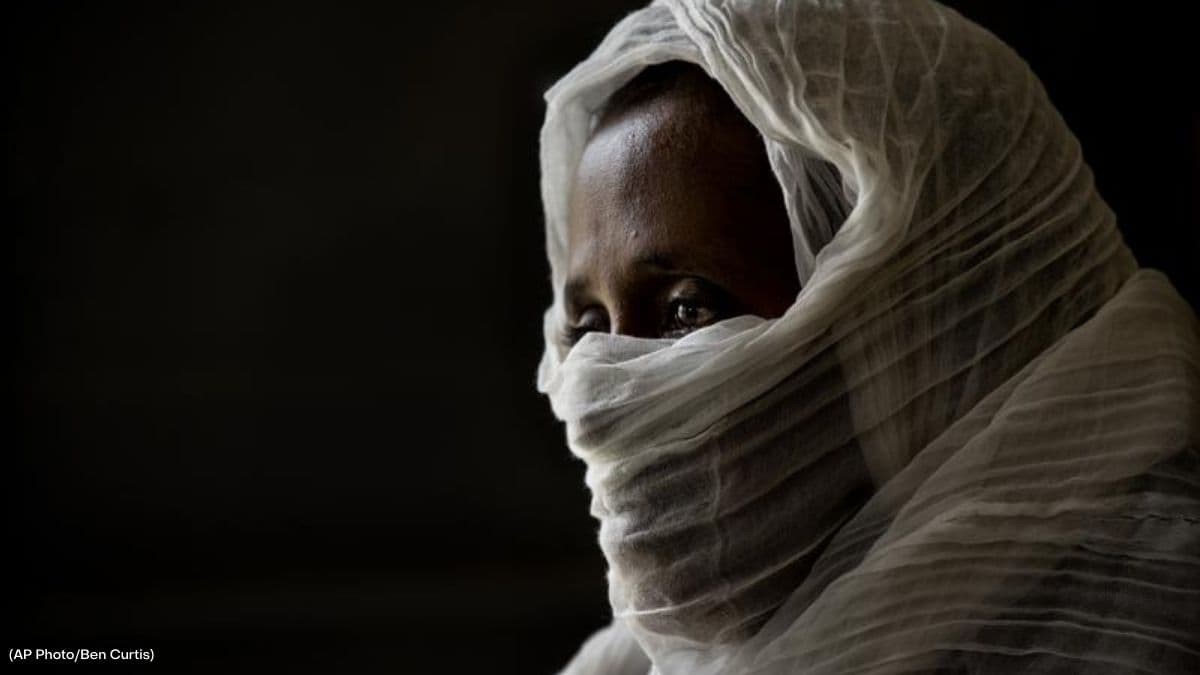
In recent years, internal conflicts across Ethiopia have shattered the lives of countless people and destroyed the significant progress the country had made on various fronts. As a woman and a gynecologist whose role is to look after the health of women, I have been most startled by the incredible scale of sexual violence and the brutalization of women and girls that has been normalized in these conflicts and remains wholly unaccounted for.
The most notable case is the 2020–2022 Tigray war. According to some reports, this devastating multi-year conflict claimed the lives of more than 600,000 people. At the same time, it subjected numerous women and girls (ranging in age from infants to over 65 years) to unspeakable levels of sexual and gender-based violence (SGBV).
Various human rights organizations, including the state-appointed human rights commission, have documented the stories of survivors and the systematic nature of the violence inflicted on women and girls during the two-year-long hostilities and even after hostilities officially ended. Yet, given the scale of the tragedy, the attention paid to this issue is nowhere near adequate. As a result, survivors who are forced to live with unimaginable pain and trauma still are not receiving the help they need.
One report published by Physicians for Human Rights (PHR) and the Organization for Justice and Accountability in the Horn of Africa (OJAH) in July 2025 provides an opportunity to raise awareness, with closer attention to the health and medical dimensions of the tragedy. Based on quantitative and qualitative data collected in the Tigray, Amhara, and Afar regions, the report noted that between November 2020 and November 2022, more than 100,000 Tigrayan women and girls experienced sexual violence in the region. The report employed a mixed methodology, including a survey of over 600 healthcare workers and a review of more than 500 patient medical records.[1] In addition, it relied on 40 key-informant interviews and focus group discussions with healthcare workers, humanitarian actors, and community leaders supporting survivors.
The violence documented in the report ranged from group rape and groping to the insertion of foreign objects (such as metallic screws, rubble, dirt, letters, a metallic nail cutter, plastic objects) into victims’ reproductive organs. On average, a single victim was assaulted by three perpetrators—though medical records show that this number could reach as high as 23 perpetrators per victim. Analysis of medical records also revealed that 50% of victims acquired sexually transmitted infections (STIs) as a result of the violence they endured, while 17% of victims analyzed in the report tested positive for HIV/AIDS—a strikingly high figure compared to the 0.09% national HIV prevalence rate.
The PHR/OJAH report noted that, according to health worker surveys and medical records reviewed, perpetrators in Tigray were affiliated with armed groups in over 90% of cases. The Eritrean military (84%), Ethiopian military (73%), and Amhara militias and Fano (51%) were frequently identified by survivors. In addition, the Gambela Special Forces, Gumuz Special Forces, Tigray Forces, Sidama Special Forces, and Southern Nations, Nationalities, and Peoples’ Region (SNNP) Special Forces were also named to varying degrees. Tigray Forces were identified as perpetrators in 4% of the cases covered by the study, underscoring the depth and complexity of the problem. Compounding the numerosity of perpetrator groups is the fact that, in over 5% of cases, the violence was committed by unarmed civilian men taking advantage of the situation. Further, 98% of survivors reported that the aggressor was a stranger.Forex auction alerts
Notably, health workers surveyed in the PHR/OJAH report explained that victims understood the violence they experienced as being driven in large part by ethnic and political motives, including reports of perpetrators expressing intent to destroy victims’ ethnic group by rendering them infertile or infecting them with sexually transmitted diseases. This aspect of the report is particularly alarming. It reveals that large-scale sexual and reproductive violence is not only a grave human rights violation against women and girls but also a major socio-political crisis. If those responsible for such crimes are not held accountable, ethnicity-based conflicts will continue to be fought on the bodies of vulnerable women and girls across Ethiopia.
Beyond legal accountability, victims’ concrete medical needs remain unmet. Healthcare needs range from short-term treatment of complications arising from physical injuries—such as damage to reproductive organs—to long-term care for infectious complications such as HIV, hepatitis, and urinary tract infections. The enduring impact of psychological trauma is another critical issue. For children, the physical and psychological impacts are even more complex. Health workers surveyed in the report testified that child survivors often develop heightened sensitivity, social withdrawal, and increased suicidal thoughts. Yet access to medical care and trauma-recovery support remains limited. Fewer than 10% of victims of sexual and reproductive violence analyzed in the PHR/OJAH report are receiving medical treatment. This is partly due to the collapse of basic health facilities in many conflict-affected areas.
On the occasion of this year’s 16 Days of Activism, I appeal first to the government at all levels to prioritize the urgent needs of the women and girls whose painful stories and demands for accountability remain unheard. Donor countries working with the government should also insist that medical and psychological services for victims become a central component of post-conflict reconstruction in Tigray and beyond.
Toward this goal, women’s health professionals like myself can play a unique role, alongside the broader healthcare community. The documentation work of Physicians for Human Rights is one example of how medical professionals situated outside the political context can highlight the devastating consequences of war on vulnerable groups, particularly women and girls. The testimony of healthcare workers (which the PHR/OJAH report partly relies on) demonstrates how physicians can not only treat individual cases but also contribute to a systematic understanding of the profoundly harmful effects of widespread violence on vulnerable communities. The ongoing trends of sexual and gender-based violence in Ethiopia threaten to reverse years of progress made in improving maternal health, strengthening primary care, and building public trust in medical institutions.
Alongside ending cycles of war, it is time for all people in positions of power to dedicate enough resources towards addressing the medical needs of survivors including the psychological pain and stigma they continue to face. Our national progress depends on acknowledging these harms, ensuring accountability, and restoring, for every survivor, the dignity, safety, and care that every human being deserves.
[1] Most of the data collected comes from Tigray region – 509 medical worker survey, 414 medical record review, and 17 interviews.
Comments
No comments yet. Be the first to leave a comment!
Leave a Comment

Society
Old Jaffa, New Tel Aviv
November 22, 2025
Society
“Now, It’s My Land”: Legal Reform Transforms Women’s Ownership in Rural Ethiopia
November 15, 2025

Society
A Gift of Technology — and Hope — for Koye’s Students
November 08, 2025
Society
Data for a Changing Climate: From Soil to Strategy
November 01, 2025
Society
Harnessing Data, Driving Innovation: Securing East Africa’s Water Future
October 25, 2025
Society
Bridging the Health Gap: Ethiopia’s push for Equitable Health
October 18, 2025
Art
Blending traditions: A taste of Italy, Crafted with Ethiopian ingredients
December 06, 2025
Art
Between Tradition and Trend: Ethiopia’s Musical Identity in the Modern Era
November 29, 2025
Art
Ethiopia’s Living Heritage in the Holy Land
November 22, 2025
Art
The Door that Never Closed: Honoring Getnet Enyew
November 15, 2025
Art
Echoes of Memory
November 01, 2025
politics
December 09, 2025
Conflict-Related Sexual and Reproductive Violence in Ethiopia: Cantering the Needs of Victims
politics
December 09, 2025
2.3 Million Failed Before, Half a Million Failed This Year: Ethiopia Can No Longer Deny Its Education Crisis

politics
December 06, 2025
Oromia Bank Posts 2.6 Billion Birr Pre-Tax Profit, Revenue and Deposits Surge Sharply

politics
December 05, 2025
M-PESA Ethiopia Alleges Ethio Telecom Blocking Its New Lehulum Service on Mobile Data

politics
December 04, 2025
Ethiopia Suspends Licenses of 22 Sports Betting Agencies Amid Massive Embezzlement Probe
politics
December 03, 2025
Why the Birr Keeps Falling: Ethiopia’s Currency Crisis Is a Symptom, Not the Disease
politics
December 02, 2025
NBE Announces Forex Auction Results: 17 Banks Push Dollar Price to 154.3993 Br
politics
December 01, 2025
Ethiopia’s Central Bank Announces $50 Million FX Auction for December 2